
Who Are We
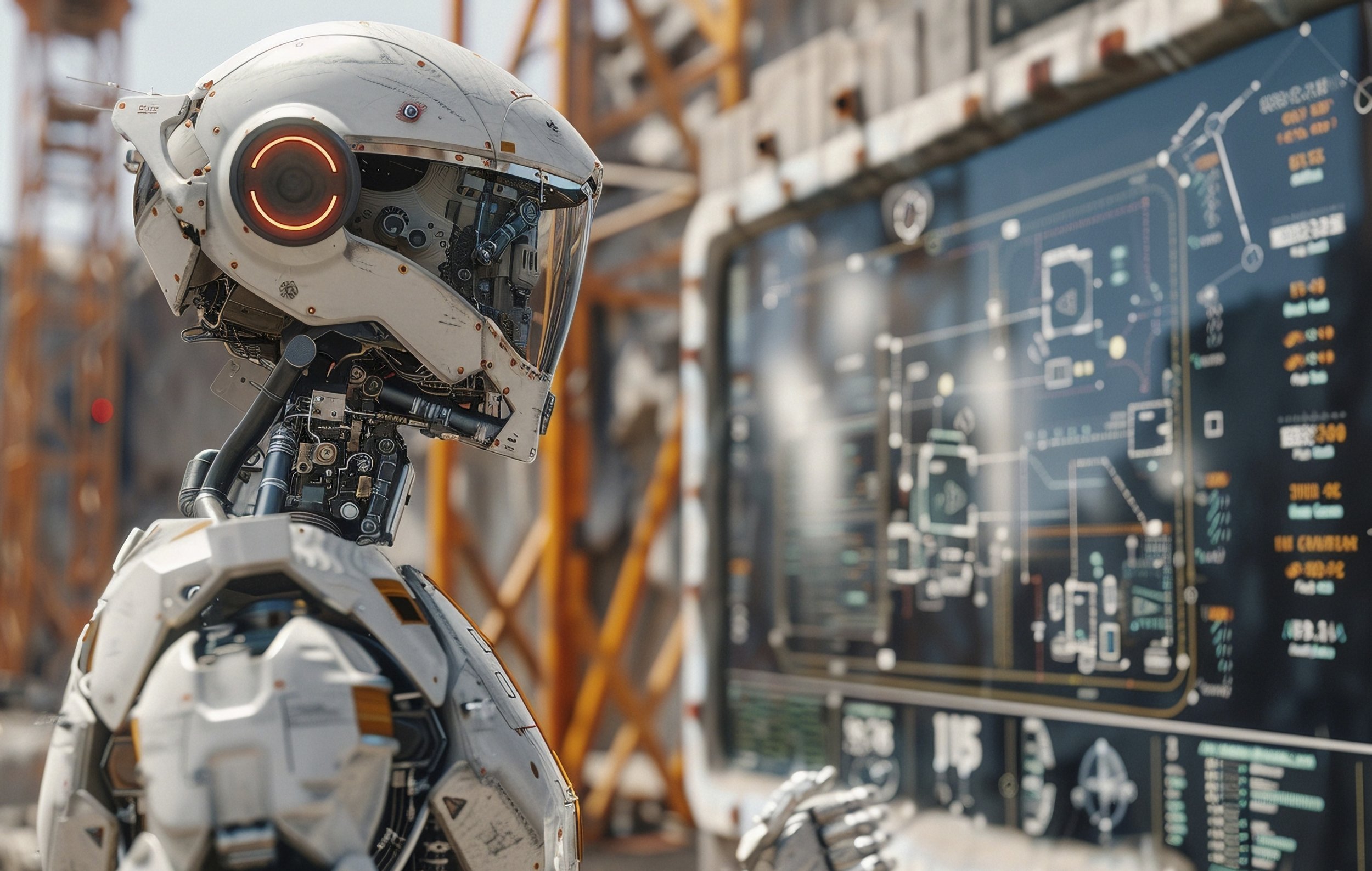
Our team has over 20 years experience in the automation and robotic space whether selling software automation (WMS, IMS, ERPs, AI Management) or hardware Robotic Systems (PTL, AGVs, AMRs, Shuttle Systems).
We have the expertise and the knowledge to assess what your current issues are, what types of technologies would work, and the pros and cons whether price, time of urgency, or overall ROI!
We’re just a phone call away!

Types of Technology
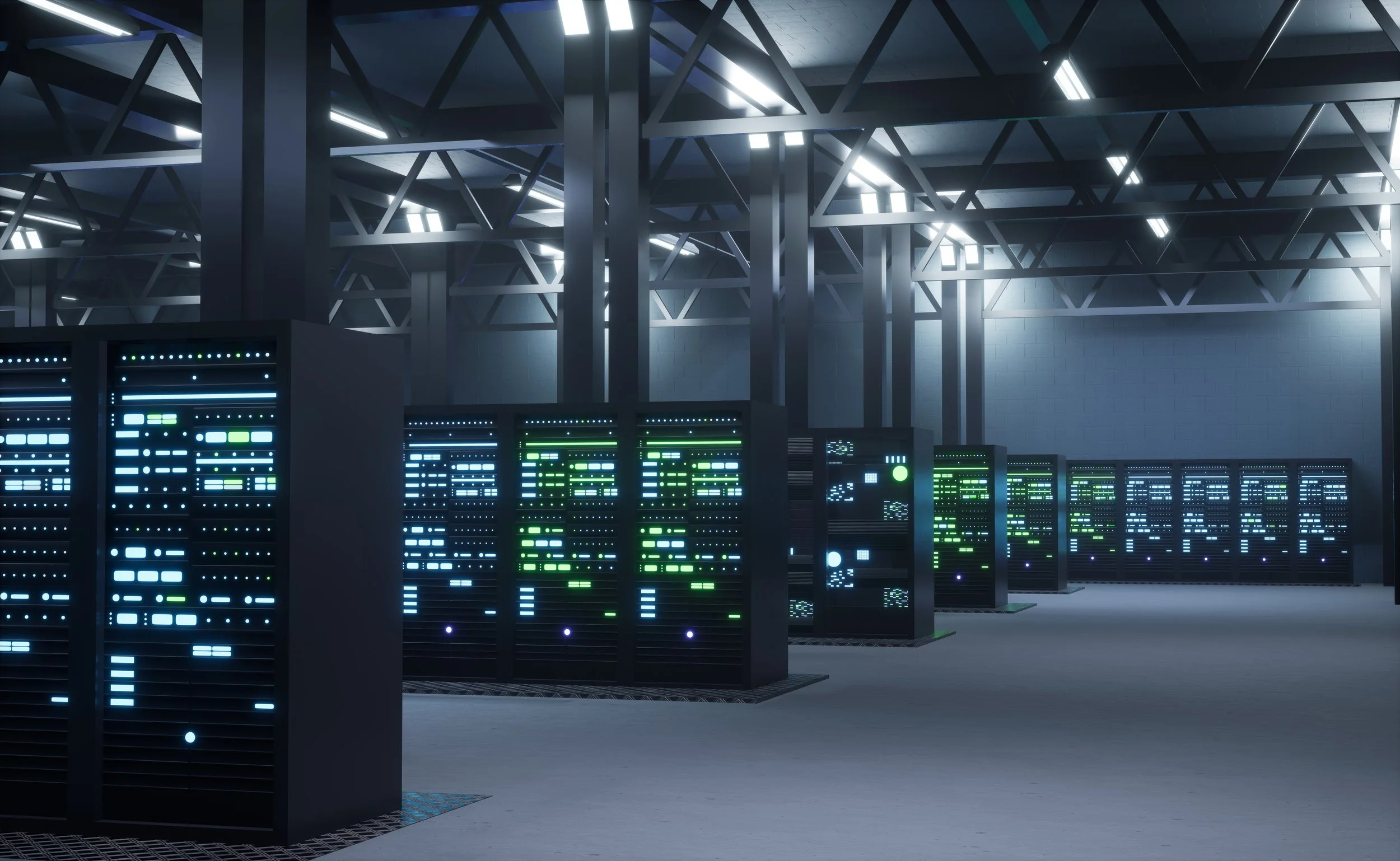
IT EQUIPMENT BUILDS

WAREHOUSE AUTOMATION
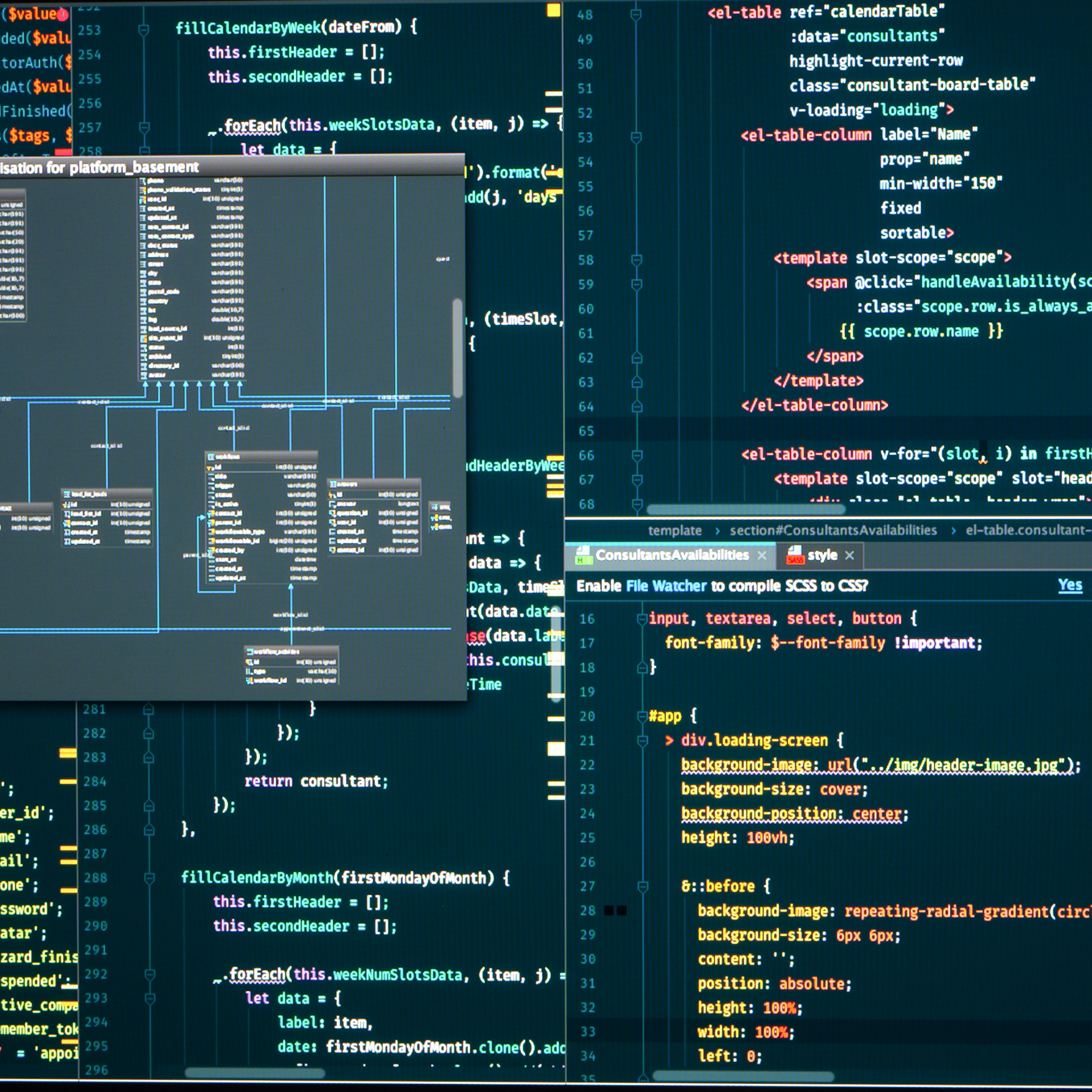
CUSTOM SOFTWARE DEVELOPMENT


Discovery & Strategy
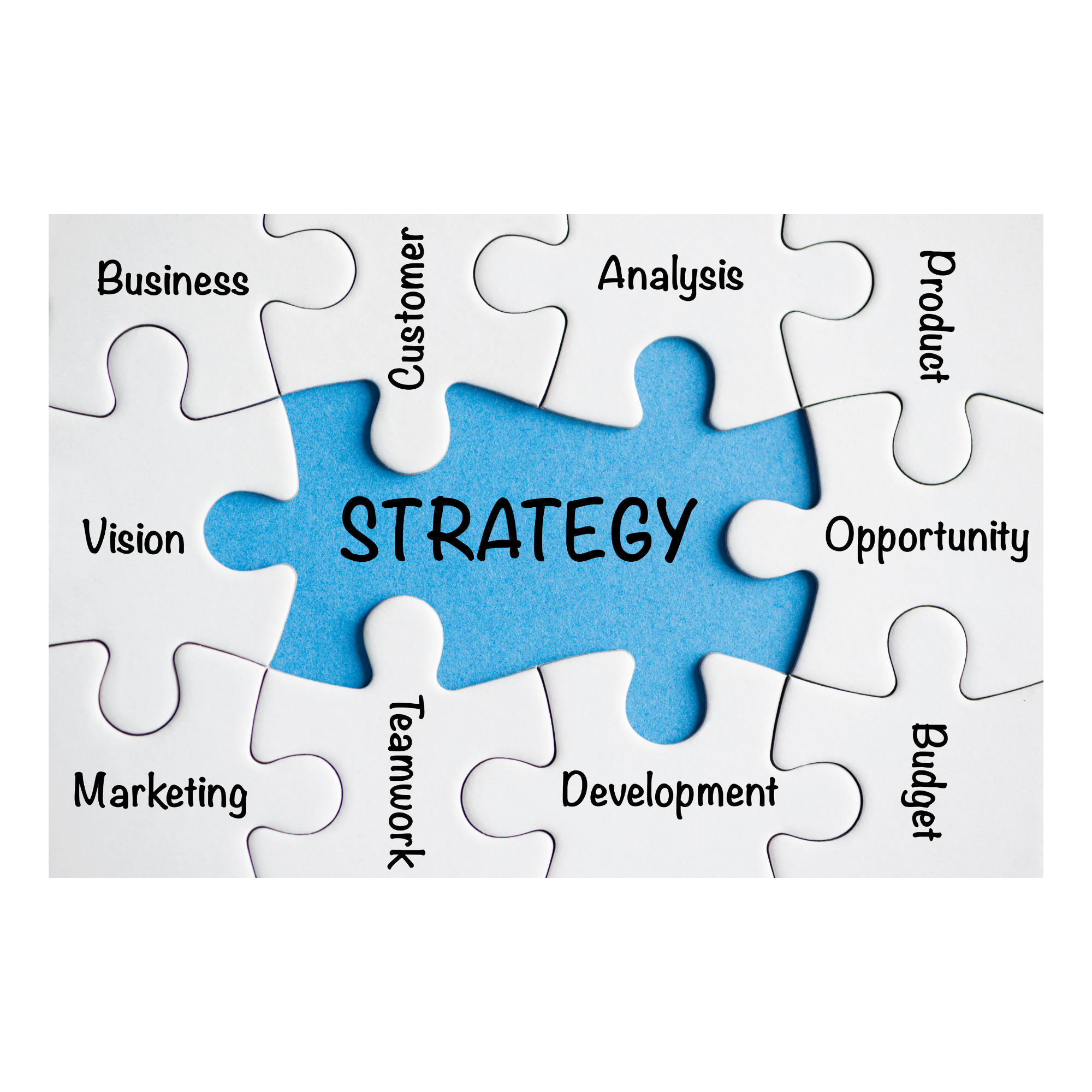
We begin by understanding your business goals, current challenges, and long-term vision. This phase includes workflow analysis and identifying opportunities for automation and optimization.
Development & Testing
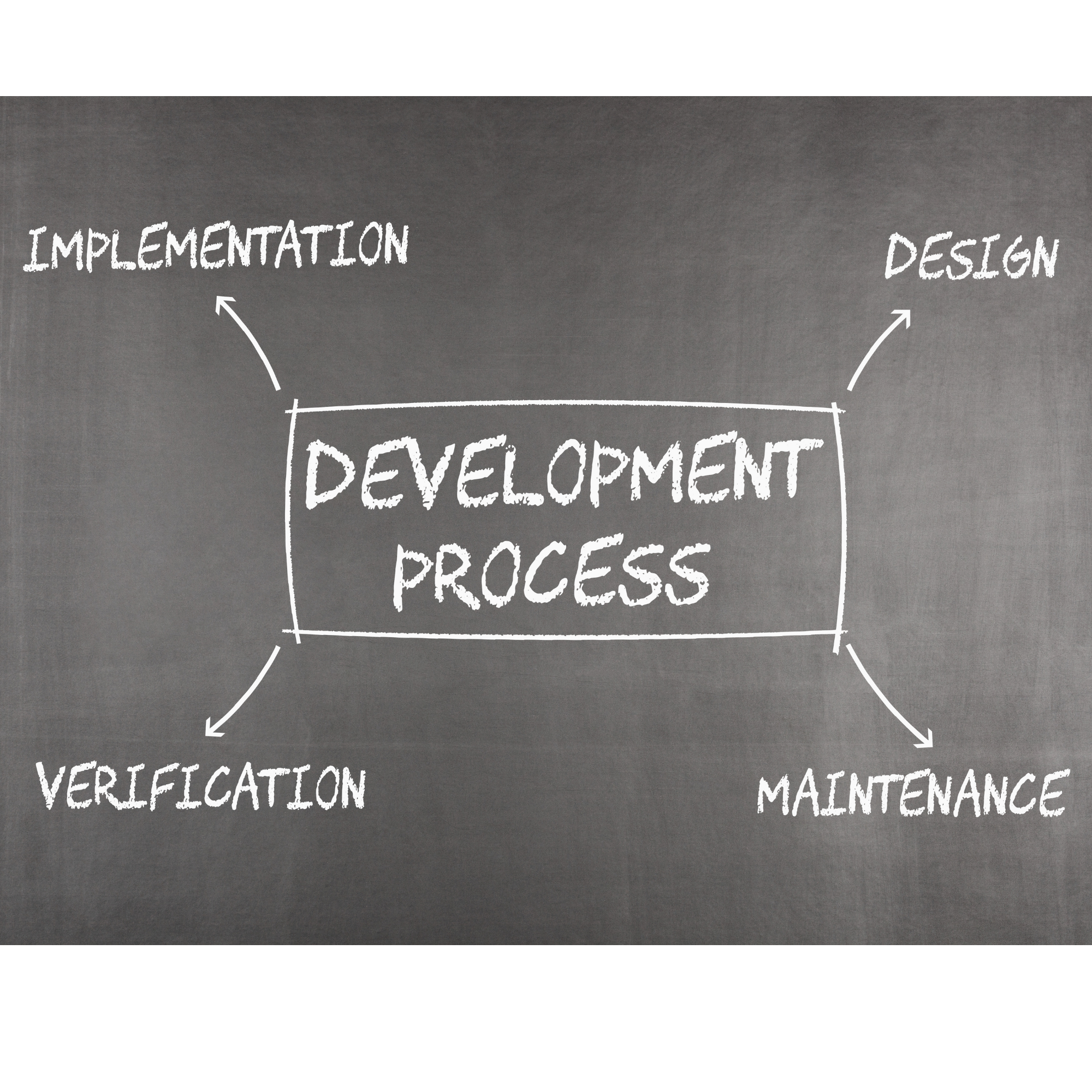
Our team builds your solution using modern technologies and best practices. Rigorous testing ensures reliability, security, and performance.
Deployment & Integration
We implement your system with minimal disruption to daily operations and ensure seamless integration with existing platforms.

Ongoing Support & Optimization

Technology evolves — and so should your system. We provide updates, enhancements, and technical support to keep your software performing at its best.
WAREHOUSE AUTOMATION TECHNOLOGY
HOSPITALITY BOTS

AGRICULTURE DRONES

XAG P60 AERIAL SPRAYER

XAG R150 UGV

Commercial Crops
We also provide digital, informative, intelligent, and precise management solutions for commercial crops such as cotton, citrus trees, apple trees, and tea plants. As with grain crops, agoperators will find these options more convenient, inexpensive, and beneficial to crop quality and yield rate.

DJI AGRAS T50
Grain Crops
Our solutions provide digital, informative, intelligent, and precise field management for grain crops such as rice, wheat, and corn. This empowers agricultural operators with more convenient and efficient options, reduces operation costs, improves crop quality, and increases yield rate.

Contact Us
Step 1. Schedule a FREE Consultation (over the phone) to discuss current problems and goals.
Step 2. Onsite Inspection and Layout of Operations
Step 3. Design Implementation Plan after steps 1 thru 2 are completed.